
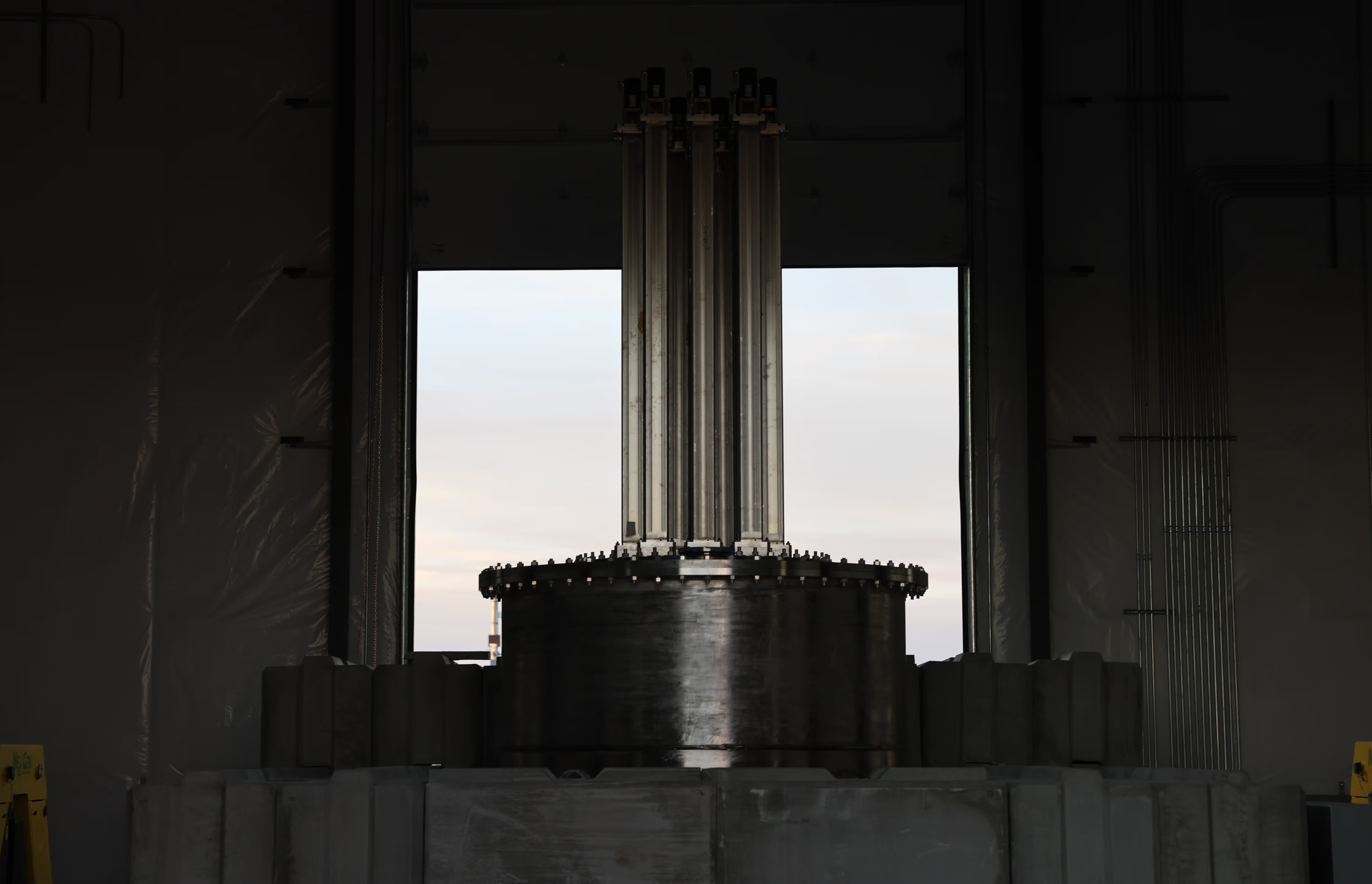
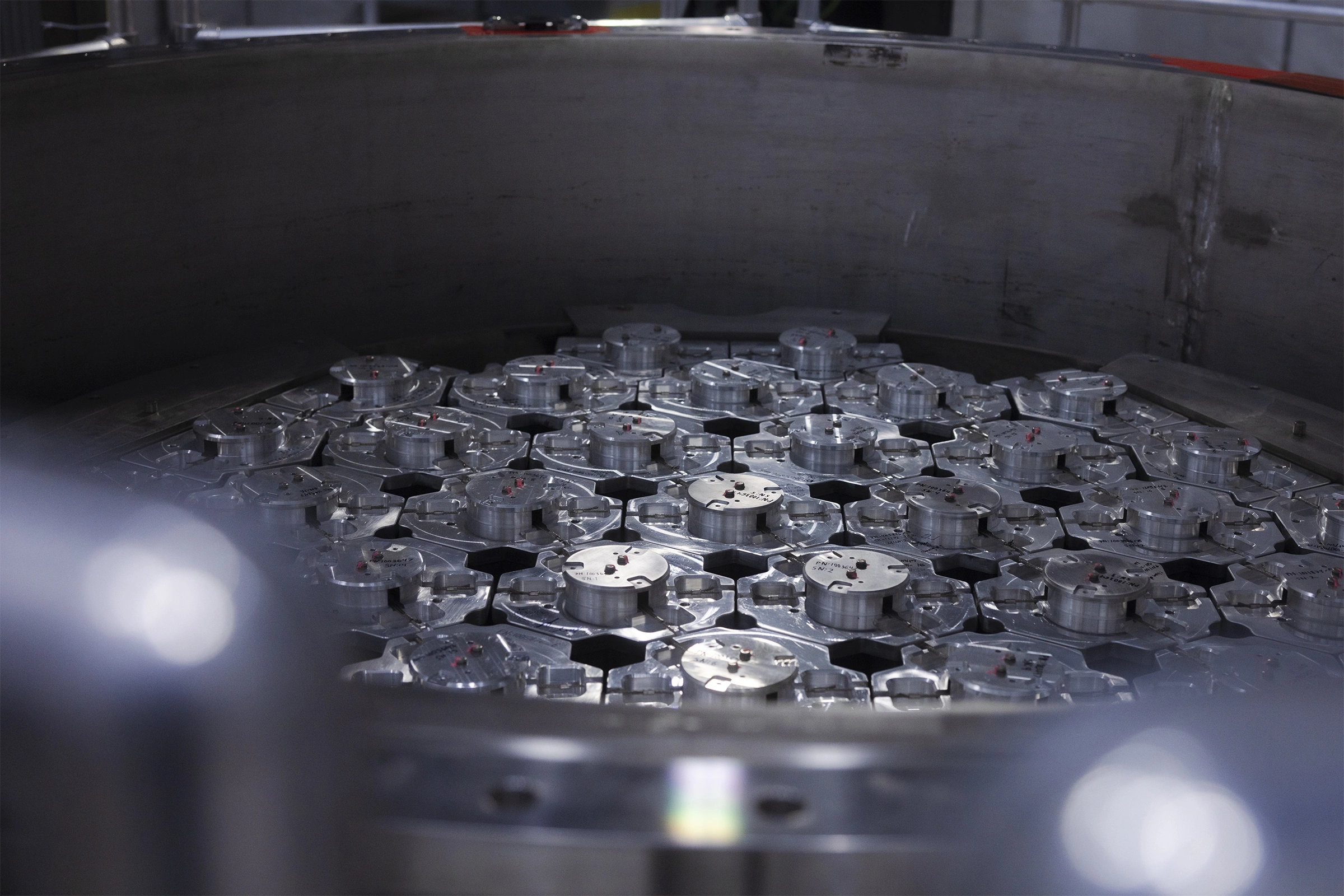
Under blue skies in Idaho, Aalo Atomics today opened the doors to its Critical Test Reactor to reveal the hardware that will kick off the second atomic age. We call this Project First Light. It is the first glimpse of what's coming to power up America.
Speed That Defies Expectations
Nuclear energy has a timeline problem. Power demand is surging, yet the last nuclear plants built in the United States took almost two decades.
The first atomic age was defined by extraordinary velocity—dozens of new reactor designs conceived, tested, and built within years. Then the trendline flattened. For decades, the amount of new nuclear capacity added in America effectively went to zero. Fear of radiation, cost overruns, and institutional inertia turned the world's most energy-dense power source into a slow-moving black sheep of the energy industry.
Aalo is taking a different path.
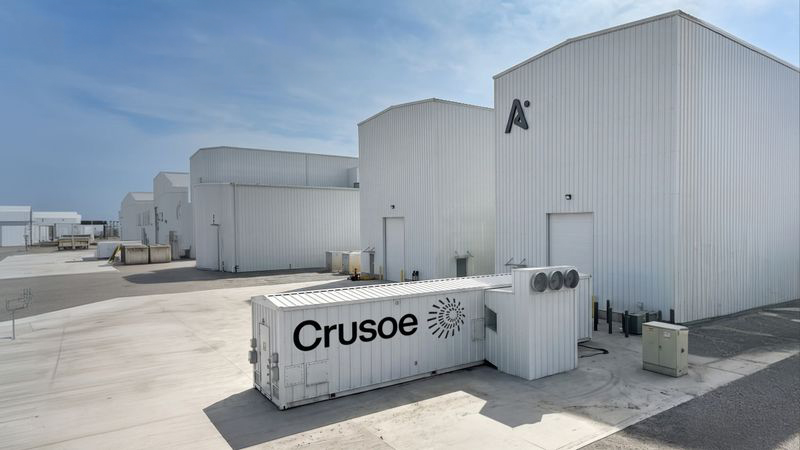
Six months ago, the company held a groundbreaking ceremony on a plot of land at the border of Idaho National Laboratory. It was then, by every measure, a bare dirt field. Today, a reactor building stands there—constructed, equipped, and ready to load final instrumentaton and fuel in the Critical Test Reactor. In an industry where projects routinely slip by years, Aalo delivered a new nuclear facility in months.
This pace directly answers President Trump's executive order on reforming nuclear reactor testing, which called for at least three reactors to achieve criticality by July 4, 2026. Aalo isn't waiting for the deadline.

The 3 Big Questions
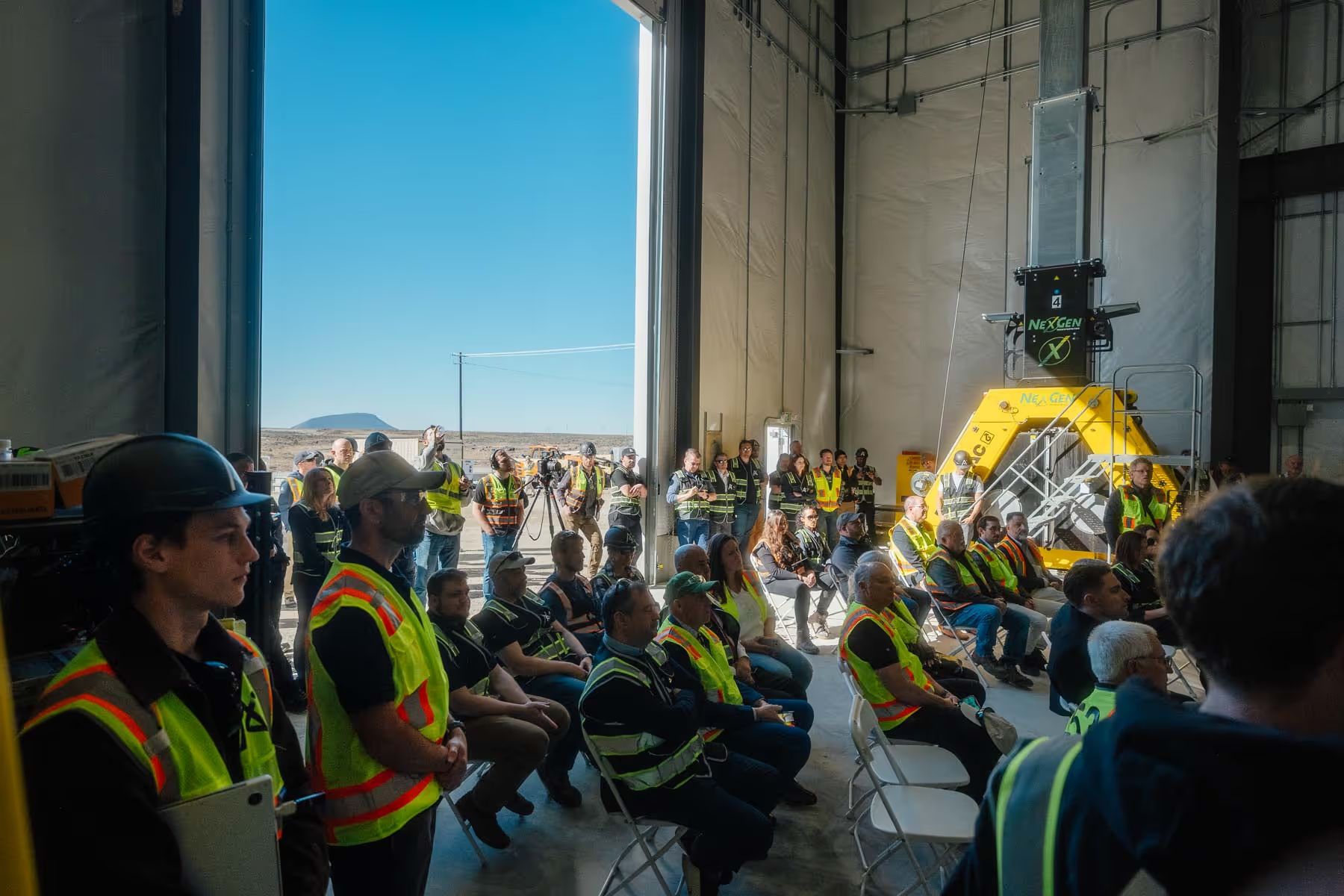
When I addressed the crowd—a mix of DOE and INL officials, supply chain partners including Paragon Energy Solutions and Amsted Graphite, and the Aalo team that built the reactor around the clock—I wanted to zero in on the three questions that define the second atomic age.
How will it happen? The Critical Test Reactor is how. Aalo is retiring the technical risks that keep advanced reactors trapped on paper through milestone-based iteration. We are proving the control rod system, shielding, vessel fabrication, UO₂ fuel supply chain... operating in a real reactor that will go critical in a matter of weeks.
When will it occur? In truth, it has already begun. Today we unveil the Critical Test Reactor. Next, our company solves the engineering challenges of modularizing and firming up design on our 10 MWe nuclear reactors. Then, we will construct a massive reactor gigafactory, which will “productize” the nuclear industry so that we can build reactors in a matter of days. Full-power deployment to customers will happen later this decade. The foundational bricks for that future are now laid.
And who will do it? It takes a village: government folks at DOE and INL who have championed the Reactor Pilot Program and implemented the regulatory reforms required to get ambitious nuclear startups off the sidelines and into the game. Supply chain partners who are upgrading production lines to meet the coming demand wave from AI data centers. And most of all: the Aalo team itself, working across disciplines from manufacturing to regulatory to nuclear safety analysis, our team has operated incredibly well around the clock to deliver on a timeline many in the industry said was impossible.
Reactor Revealed
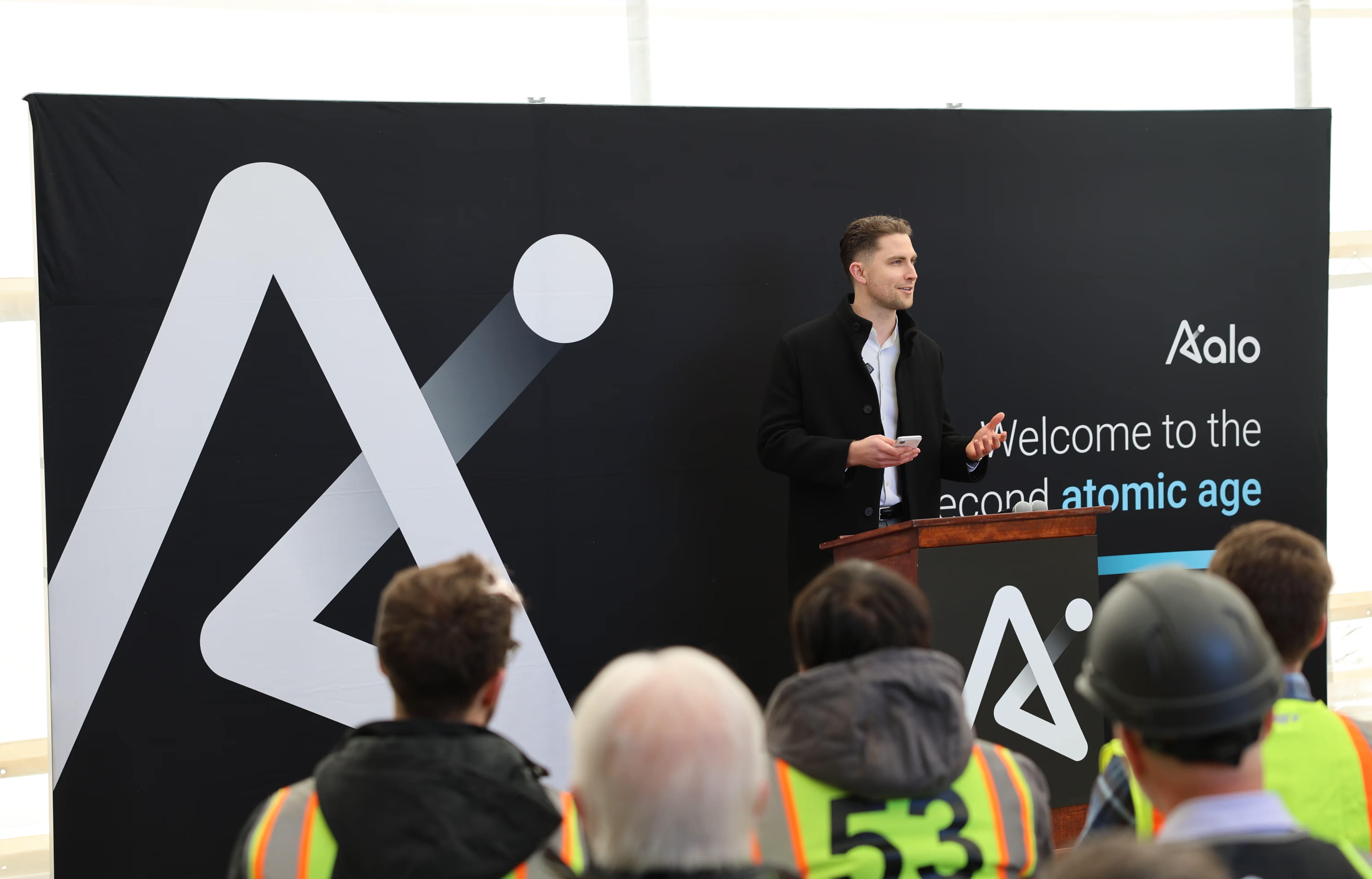
I was proud to cut the ribbon on the reactor facility with the Manager of the Idaho Operations Office Bob Boston and co-founder Yasir Arafat.
Then came the moment: the facility’s gate raised up, revealing the reactor in full view with the Stars and Stripes hanging in the background. The symbolism was intentional and serious: America must compete in the nuclear energy space if it intends to lead in the 21st century.
.avif)
Bob Boston spoke inside the reactor building, highlighting how AI data center demand is driving a resurgence in nuclear power and remarking how important it is that advanced reactor developers work closely with government regulators to achieve speed in testing while also ensuring safety and compliance.
Aalo CTO & President Yasir Arafat followed with remarks that struck at the philosophical core of Aalo's approach. He invoked Admiral Rickover's famous distinction between paper reactors and real reactors—noting that Aalo is firmly in the business of building real ones. Yasir detailed how the team achieved this, by taking a factory-first approach. He also laid out the roadmap ahead: scaling rapidly over the next five years toward several gigawatts per year of deployment capacity.
Attendees then toured the facility, viewing demonstrations of the control software and hardware, shielding systems, and the reactor itself.

The Engineering Roadmap: Three Missions to Full Power
Alongside the CTR unveiling, I also discussed the mission ahead: how we will drive Aalo from criticality to a full-power reactor purpose-built for AI data centers. It happens in phases:
Project First Light — The Critical Test Reactor, unveiled today. Proving the nuclear core and our ability to control nuclear reactions. The name, “First Light”, marks this reactor as the first glimpse of a new era in nuclear energy.
Project Crucible — Building all parts of the power plant except for the nuclear core: the non-nuclear power plant, Aalo-0. This hardware is all about solving the sodium coolant challenge. You can draw an analogy to SpaceX landing its first rocket booster: a brutally difficult engineering problem that, once proven, unlocks entirely new markets. In this case, a powerful, compact reactor that can be modularized and shipped on the back of a standard truck via existing logistics infrastructure. Sodium engineering is our crucible, and thus Aalo-0 is the next mountain Aalo will climb.
Project Ascension — The full-power Aalo-X demonstration reactor. This is when Aalo ascends to delivering electricity and integrates that electrical output with data center infrastructure—the ultimate proof point for an energy source designed from day one around the needs of hyperscale computing.
The endpoint of these three missions is the Aalo-1, the purpose-built reactor for AI data centers.
Why This Matters Now
The AI industry's appetite for power is growing faster than the grid can feed it. Every major hyperscaler is either building or planning data centers that will consume hundreds of megawatts each. The conventional grid—already strained—cannot deliver this power at the density, reliability, and speed these customers require.
And we are optimistic that AI will deliver incredible futures for humanity. Just this past month, I read an incredible bit of news. A man cured his dog of cancer by using ChatGPT to create a custom mRNA vaccine. And it worked.
Although some people have fears about AI, we cannot turn our backs on the future: this technology is already saving lives, and we feel it’s our responsibility to unlock its benefits for humanity by providing power.
Nuclear is the obvious answer. It's the only carbon-free baseload technology with the energy density to co-locate with data centers anywhere, independent of weather, water access, or gas pipeline availability. We know our nuclear physics work; now we are organizing around those physics and working to master them.
Aalo's Critical Test Reactor is an incredible milestone. After founding Aalo in 2023 we have gone from incorporation to a physical reactor at a national lab in under three years—a timeline that was dismissed as fantasy by many in the nuclear establishment.
Yet under the Idaho sun, I stood with my team, our partners in government, and in the supply chain and we celebrated the installation of a real reactor. We hung a plaque inside the facility to commemorate the day. The first light of the second atomic age is dawning.
Thank you for being with us, and we can’t wait to share more soon.
.avif)